The comments follow the revelation that up to 70 per cent of Timorese people living in Dili feared eviction from their land in the next five years due to unclear land ownership, according to an Asia Foundation report.
A history of land occupation is compounded by Timor-Leste landowners having limited legal mechanisms to verify connection to their homes.In Dili, less than half of people have a physical title to the land they live on.
Parliament argues the land law it unanimously approved on February 6 would enable people to gain legal documentation to land.
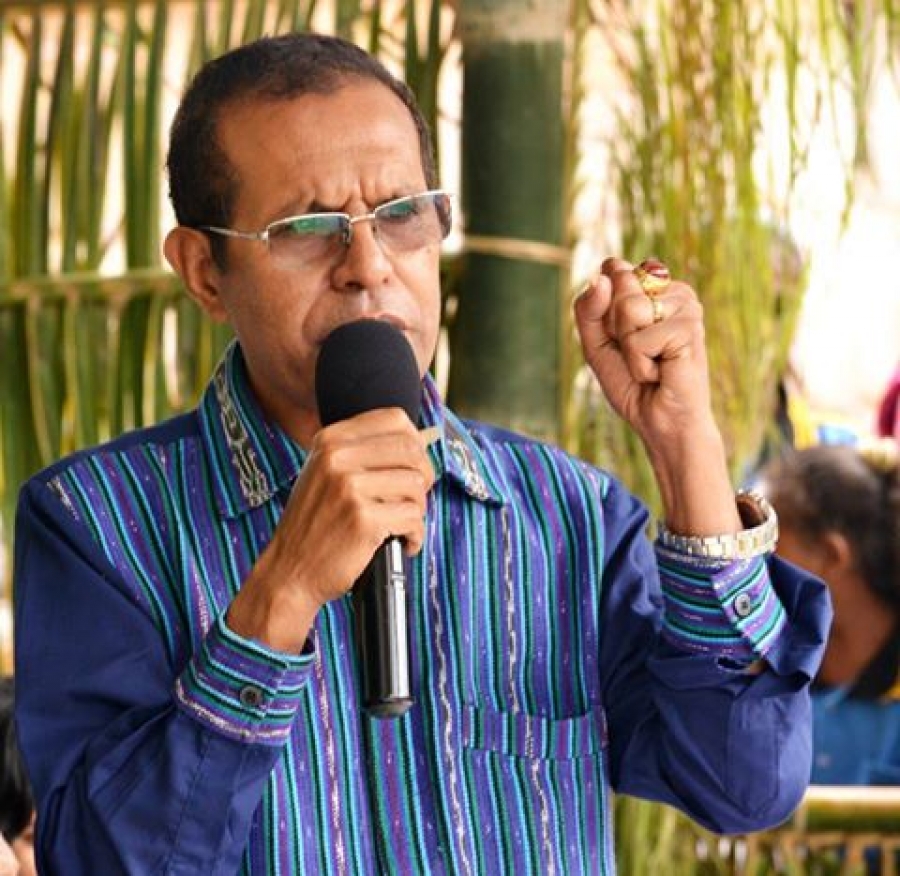
While supporting land ownership reform, Taur Matan Ruak, said the current law favoured the nation’s elite but failed to benefit everyday people who would not have the same means to connect them with their land.
Most Timorese hold land through customary and informal systems, which have no legal recognition, the Asia Foundation report said.
Only a minority of people got access to formal land titles during the Portuguese or Indonesian administrations.
“This situation is further complicated by urban migration, especially to Dili, where without mechanisms to legally access land, people can only rely on informal schemes,” the report said.
“Land occupation (sometimes peaceful, other times violent) and informal arrangements are common; even those that acquire land from formal owners do not have the legal mechanisms to securely formalise an acquisition.”
Ruak’s stance to vetoe Parliament’s approved land law follows similar decision by former President Jose Ramos-Horta, who in 2012 rejected a draft law on the same grounds that it failed to establish a clear set of criteria to determine initial ownership that was equal for all people.
Following Horta’s vetoe, the law has been going back and forth between the government and parliament.
Initial versions of the draft included provisions to protect those households from eviction that did not fulfill the criteria of the law for land ownership recognition and cannot afford resettlement. But this protection has been removed in the current draft, and it is not clear how many people could face eviction.
